
Introduction
In 2026, a business website is no longer just an online brochure. It is your digital storefront, sales representative, and brand credibility platform — all combined into one.
Yet most business websites fail to convert.
They may look attractive, but they don’t generate leads, inquiries, or sales.
So what separates a high-converting website from an average one?
Let’s break it down.
1️⃣ Clear Positioning Above the Fold
The first section of your website should answer three questions instantly:
- What do you do?
- Who do you serve?
- Why should someone trust you?
If visitors need to scroll to understand your value, you’re already losing them.
A high-converting homepage clearly communicates:
- Your primary service
- Your target audience
- Your core benefit
Clarity beats creativity.
2️⃣ Strong, Action-Oriented Call to Action (CTA)
Your website must guide visitors toward a next step.
Common weak CTAs:
- Learn More
- Click Here
- Submit
Stronger CTAs:
- Schedule a Consultation
- Get a Free Audit
- Start Your Growth Plan
A conversion-focused website does not leave users guessing what to do next.
3️⃣ Conversion-Focused Structure
A high-performing website typically follows this structure:
- Hero Section (Clear Value Proposition)
- Services Overview
- Industries Served (if applicable)
- Social Proof / Testimonials
- Process Explanation
- Strong Closing CTA
This structured flow builds trust gradually and encourages action.
4️⃣ Fast Loading Speed & Mobile Optimization
In 2026, mobile traffic dominates.
If your website:
- Loads slowly
- Breaks on mobile
- Has cluttered layout
You will lose leads immediately.
Speed and responsiveness are not technical luxuries — they directly impact revenue.
5️⃣ Trust Signals That Reduce Doubt
Visitors need reassurance before contacting you.
Effective trust signals include:
- Project numbers
- Industries served
- Testimonials
- Case studies
- Clear contact information
Trust reduces friction.
Friction reduces conversions.
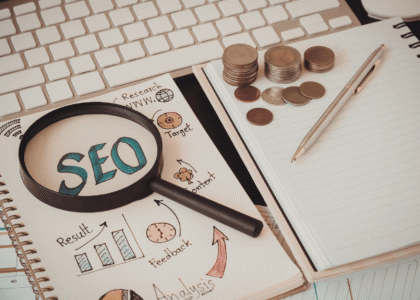
6️⃣ SEO Foundation for Long-Term Growth
Even the best-designed website fails without visibility.
A high-converting website includes:
- Optimized page titles
- Proper headings (H1, H2, H3)
- Clear internal linking
- Relevant keyword strategy
SEO ensures your website doesn’t just look good — it gets discovered.
7️⃣ Clean Design Over Over-Design
Too many businesses focus on:
- Fancy animations
- Complex effects
- Overloaded visuals
But simplicity wins.
Clean layout + strong messaging + clear CTA = better results.
8️⃣ Clear Service Pages
Each major service should have its own structured page explaining:
- What it includes
- Who it’s for
- How it helps
- Why choose you
Avoid vague descriptions.
Specificity builds authority.
Conclusion
A high-converting website in 2026 is not about complexity — it’s about clarity, structure, and performance.
When done right, your website becomes:
- A 24/7 lead generator
- A credibility engine
- A growth foundation
If your current website is not producing results, it may be time to rethink the structure, strategy, and execution behind it.